
(Upload on August 1 2026) [ 日本語 | English ]
Mount Usu / Sarobetsu post-mined peatland
From left: Crater basin in 1986 and 2006. Cottongrass / Daylily
HOME > Plant list (植物リスト) > Nyssaceae (ヌマミズキ科) > Camptotheca acuminata
Nyssaceae Juss. ex Dumort. (ヌマミズキ)10-20 species in 2-5 genera in the worldLifeform: tree/herb |
Distribution: southeastern Asia and north America (isolated distribution) - no native species in Japan |
Nyssa L. (ヌマミズキ) Camptotheca Dence. (カンレンボク) C. acuminata Decne. (カンレンボク) Davidia (ハンカチノキ) Baill., when included |
Camptotheca L. (カンレンボク)Kanrenboku (カンレンボク, 旱蓮木), happy tree, cancer tree or tree of lifeKiju (喜樹) Lifeform: deciduous tree Distribution: originally in Yunnan Province, China
introduced to Japan in the Taisho era Use: medicine (camptothecin - strong side effects)
derivatives = irinotecan, topotecan, etc. (used as medicine) |
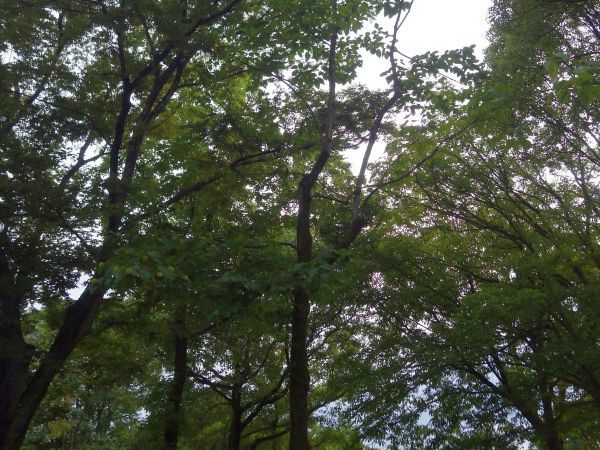
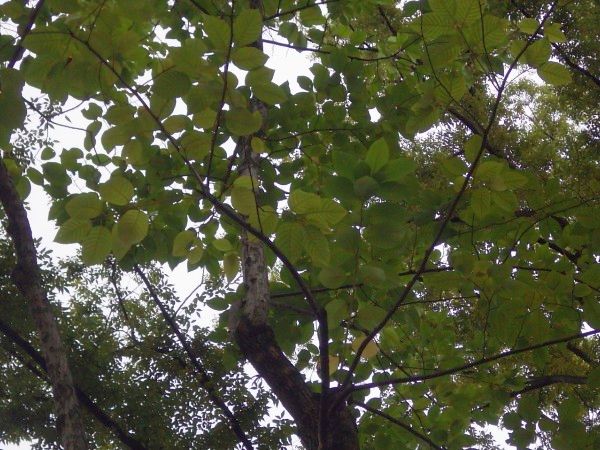
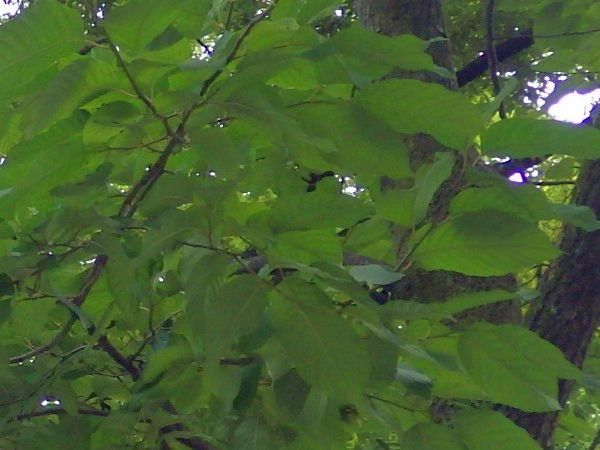
Tree shown in the photos: Commemorative Tree Planting for the 10th Anniversary of Sister City Relations (友好都市締結10執念記念植樹). Mayor of Guangzhou: Yang Ziyuan (広州市長 楊 資元). Mayor of Fukuoka: Keiichi Kuwahara (福岡市長 桑原敬一). May 2, 1989. This tree is known for its vitality and strong reproductive ability. These qualities are associated with health, longevity and prosperity of descendants, which is why it is called "Xi Shu" (Happy Tree). |
|
 1
1
 2
2
 3
3
[1-3] on an arboretum in Fukuoka Zoo and Botanical Garden, northern Kyushu, on September 20 2025.