
(First upload on July 12 2013. Last on April 1 2026) [ 日本語 | English ]
Mount Usu / Sarobetsu post-mined peatland
From left: Crater basin in 1986 and 2006. Cottongrass / Daylily
HOME > Plant list (植物リスト) > Apiaceae (Umbelliferae) (セリ科) > Cicuta virosa
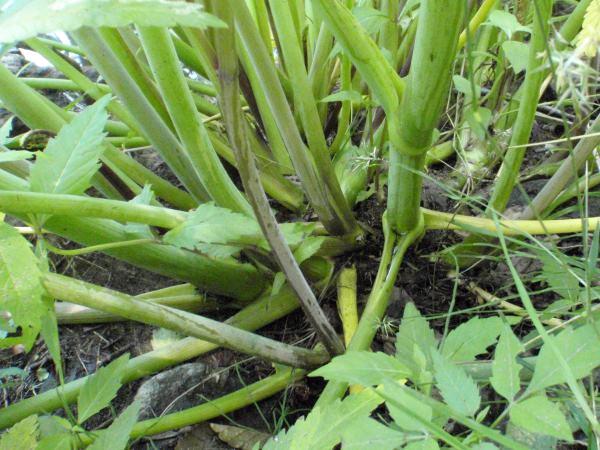
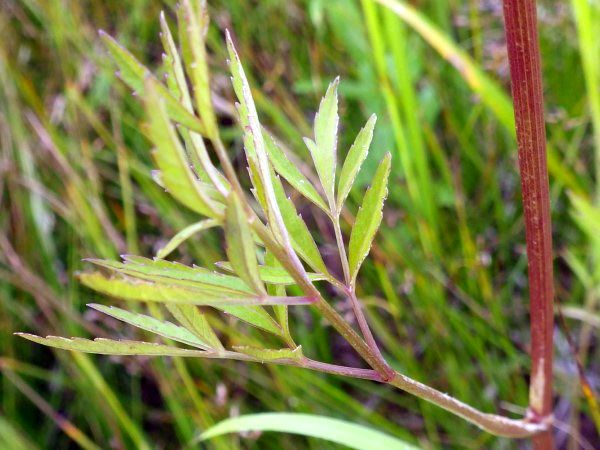
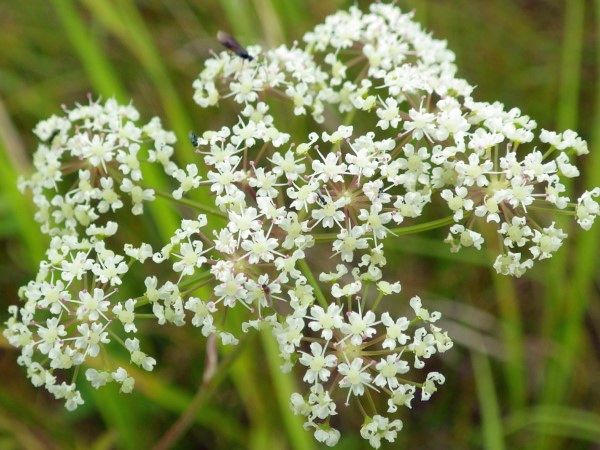
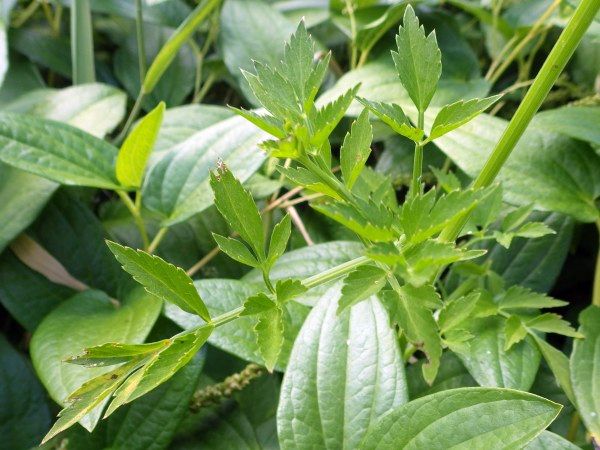
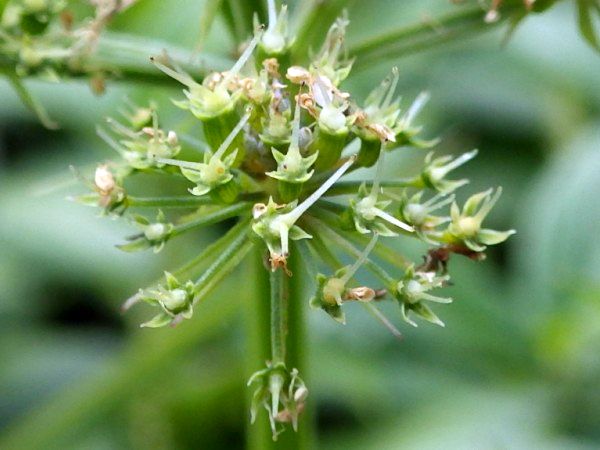
Cicuta L. (ドクゼリ)Dokuzeri (ドクゼリ, 毒人芹), cowbane or northern water hemlockOozeri (オオゼリ, 大芹) Lifeform: perennial forb Distribution: the Eurasian Continent, including Japan (Hokkaido - Kyushu) Habitat: wetlands Leaf stalk: longer than Oenanthe javanica (セリ) Flowering: June to July in Sapporo Fruit: essential oil Synonyms (discarded): - var. nipponica (Franch.) Makino |
f. angustifolia (Kit.) Schube (ヒメドクゼリ) (syn. var. stricta K. F. Schultz) Stem: shorter than C. virosa Distributed more in the wetlands of Hokkaido and Tohoku 🚑 One of the three major poisonous plants (日本三大有毒植物)
to misidentify it as an edible plant, Oenanthe javanica (セリ) Lethal toxin: cicutoxin (from genus name) convulsant toxin (acting primarily on the CNS) → tonic seizures and respiratory distress → death |
|
 1
1
 2
2
 3
3
 4
4
 5
5
 6
6
 7
7
 8
8
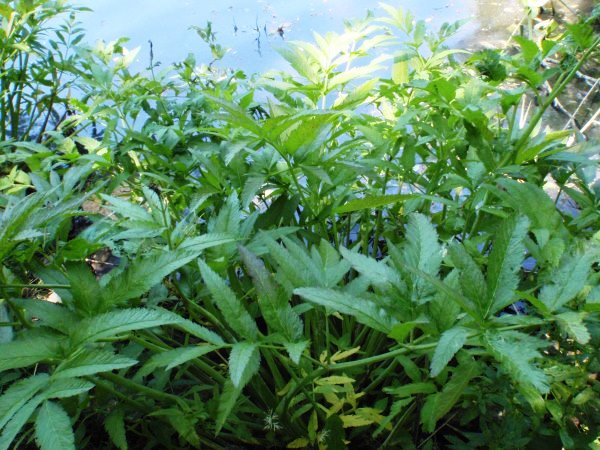
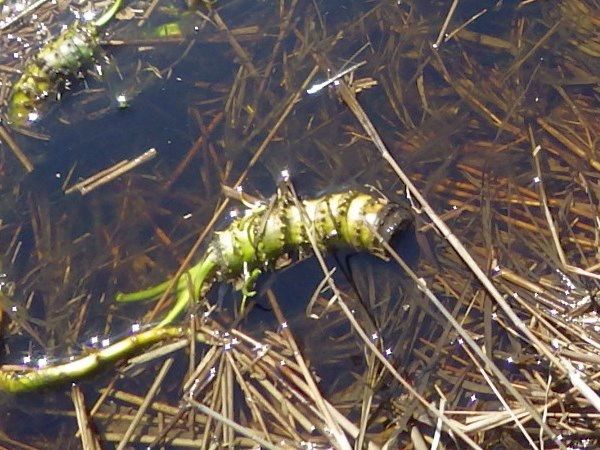
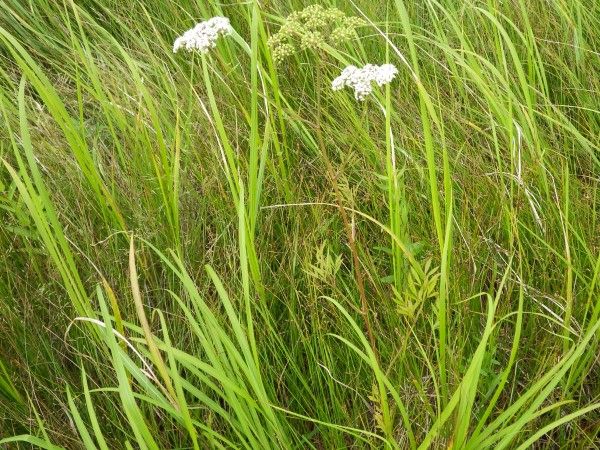
[1/2] non-flowering shoots along a tiny trail for looking around small islands in O-numa Park, southern Hokkaido, on July 7 2013. [3] at the former Upper-Sarobetsu Visitor Center, northern Hokkaido, on April 24 2016. [4-6] along Atsuma Coast (浜厚真), central Hokkaido, on August 2 2022. [7/8] in Jindai Botanical Gardens Aquatic Plant Garden, Chofu, central Japan, on July 30 2025.